Homeland
The Hassanamisco Reservation
The Hassanamisco Reservation in Grafton, Massachusetts is one of the oldest continuously held pieces of tribal land in the country, cared for across generations by Hassanamisco Nipmuc families.
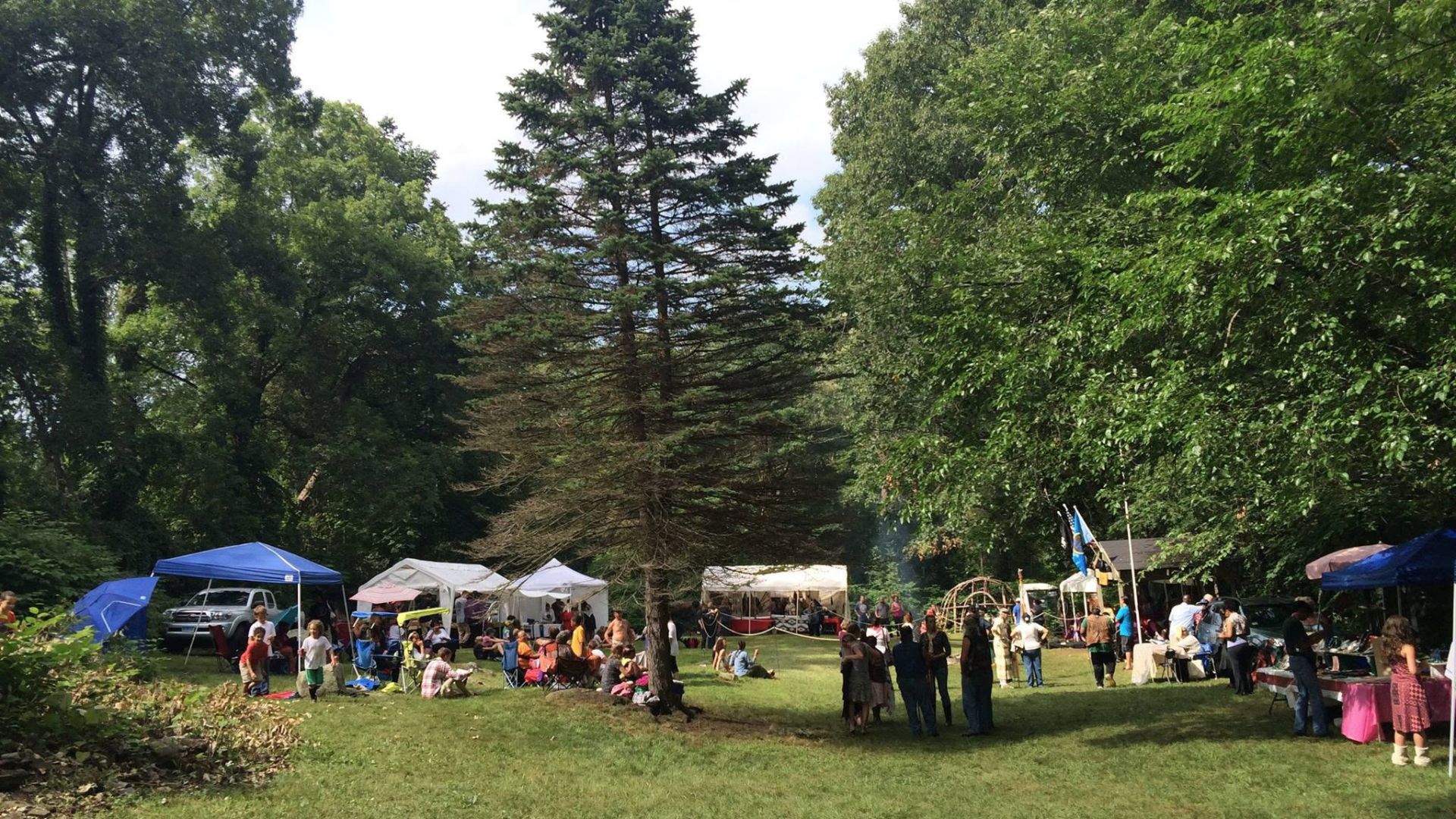
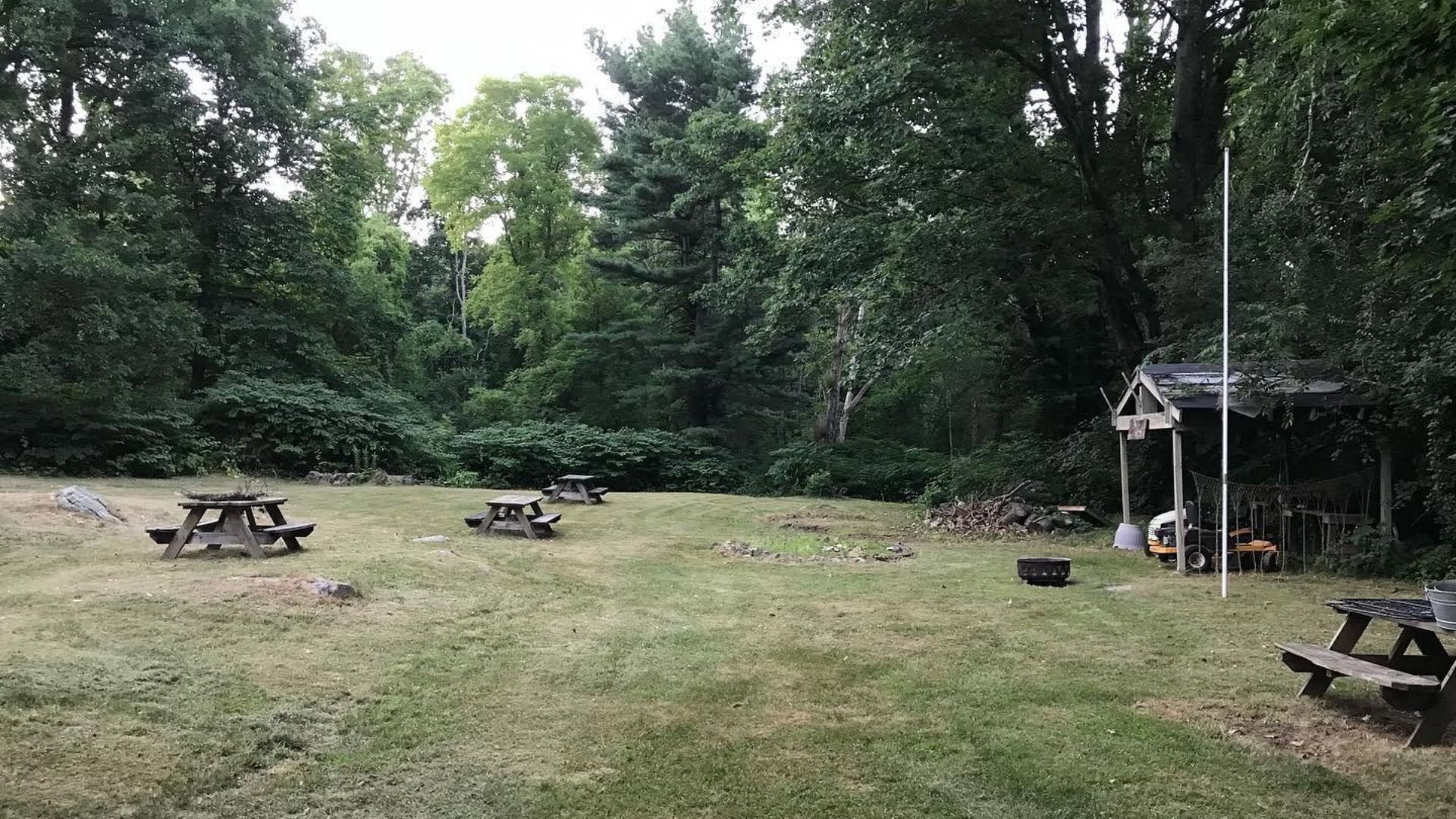
The reservation is an approximately three-acre property owned by the Nipmuc Nation, located within the town of Grafton in Worcester County, Massachusetts, at 80 Brigham Hill Road. The reservation today is the product of at least 282 years of use by Nipmuc people. First used as a domestic site area, it later became a tribal center, in addition to continuing its function as a home lot associated with some of the principal figures in the Tribe's cultural survival.
The property has long been the principal location where members of the Nipmuc community have convened to carry out cultural practices important in maintaining their historical and contemporary culture, most significantly, the Annual Hassanamisco Indian Fair, held every July. A number of ceremonial areas and several structures are located within the reservation. Most significant among the structures is a building known as The Homestead, originally constructed in 1801, which has been home to the Cisco family, a family prominent in the political and cultural activities of the Tribe.
Since the earliest contact with non-Natives, the Hassanamisco Reservation parcel has been continuously occupied and managed by Nipmuc tribal members. The reservation has been the property of the Nipmuc Tribe since before written history, and is considered a traditional cultural property.
Ongoing
Culture Today
A look at what Nipmuc culture looks like in daily life right now: the businesses, skills, and gatherings that keep it going.
Craft & Skill
Natoncks Metsu
Nipmuc chef Jason Vickers runs Natoncks Metsu, cooking Indigenous foods for the community.
Healing Stitches Designs
Vice Chair Candia Flynn runs Healing Stitches Designs, a thriving ribbon skirt business, sewing traditional skirts for the community.
Community Life
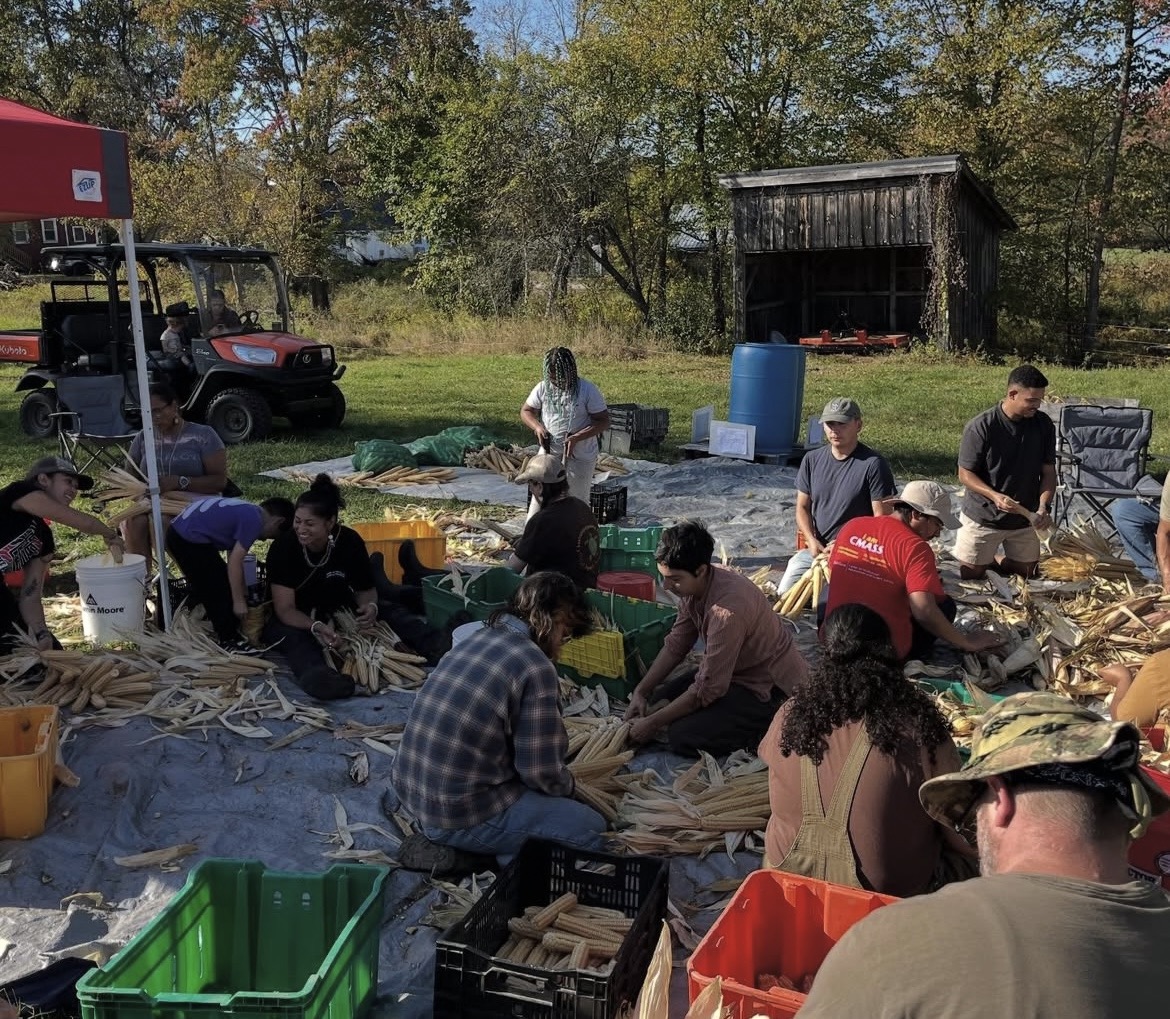
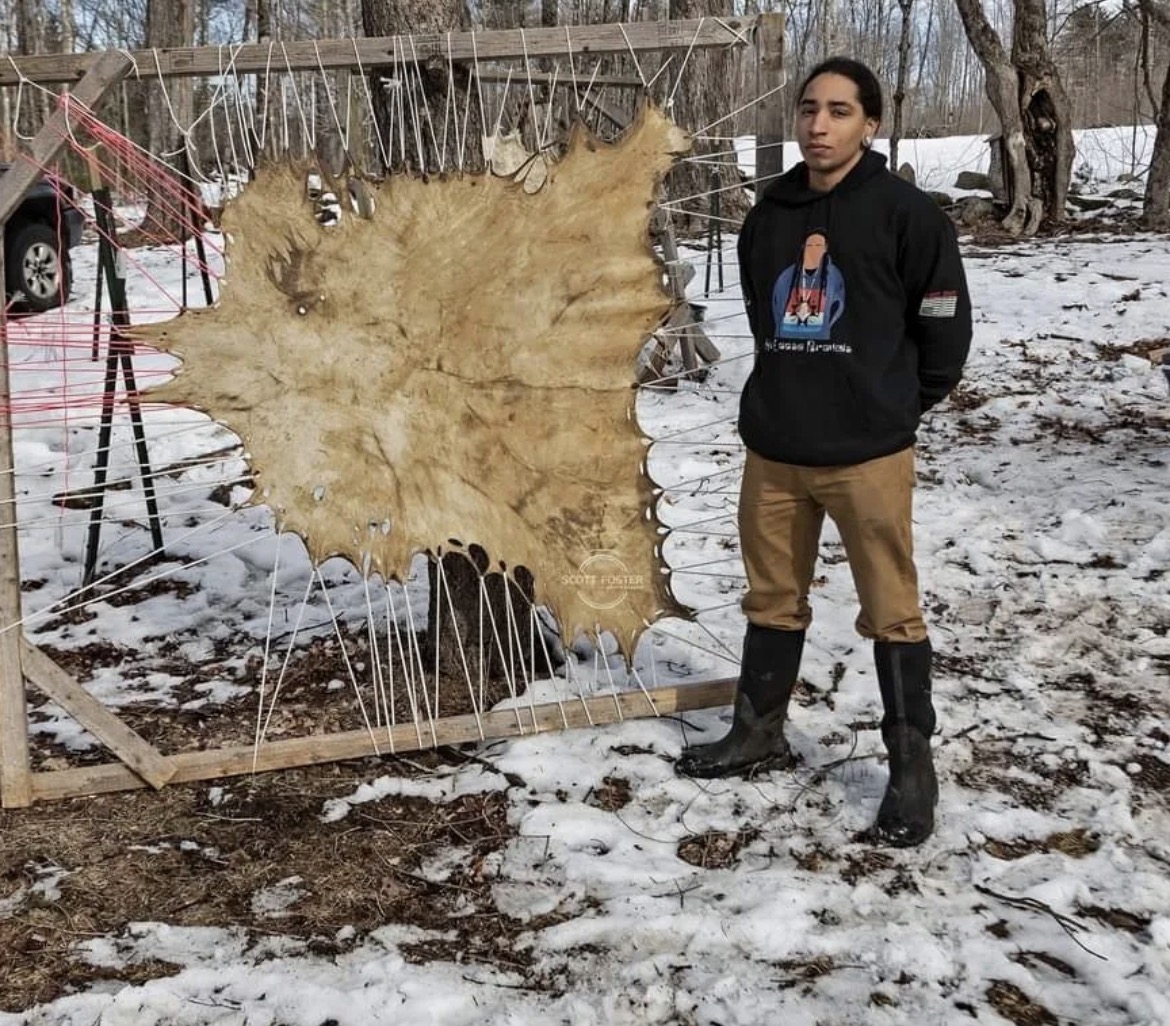
Each year, the community gathers for Kepenmooonk Wunne Weekend, a harvest event held at Pequoig Farm. The farm also hosts other Nipmuc gatherings throughout the year, for example, No Loose Braids held a hide tanning workshop there.
Follow Pequoig Farm on Instagram: @pequoigfarm
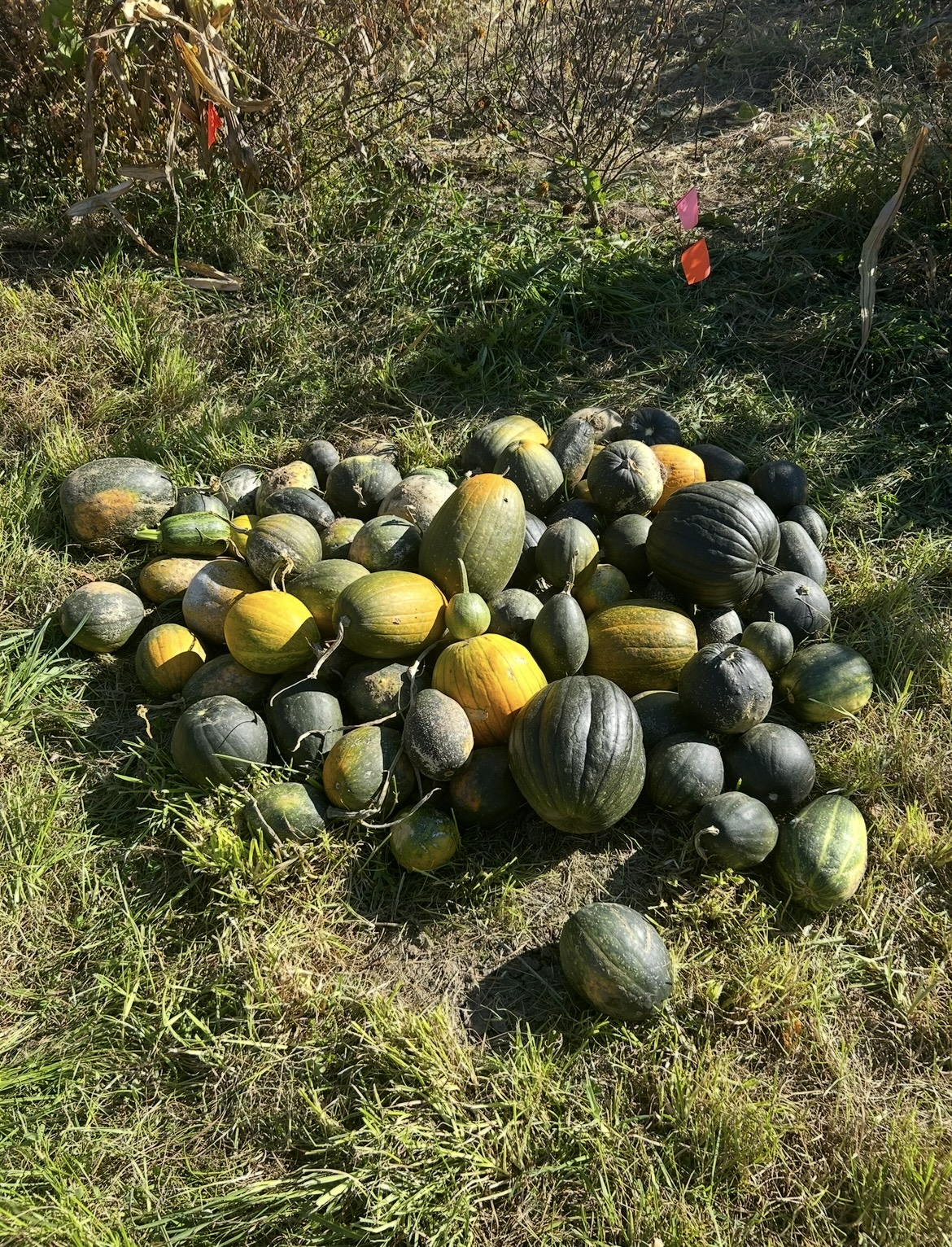
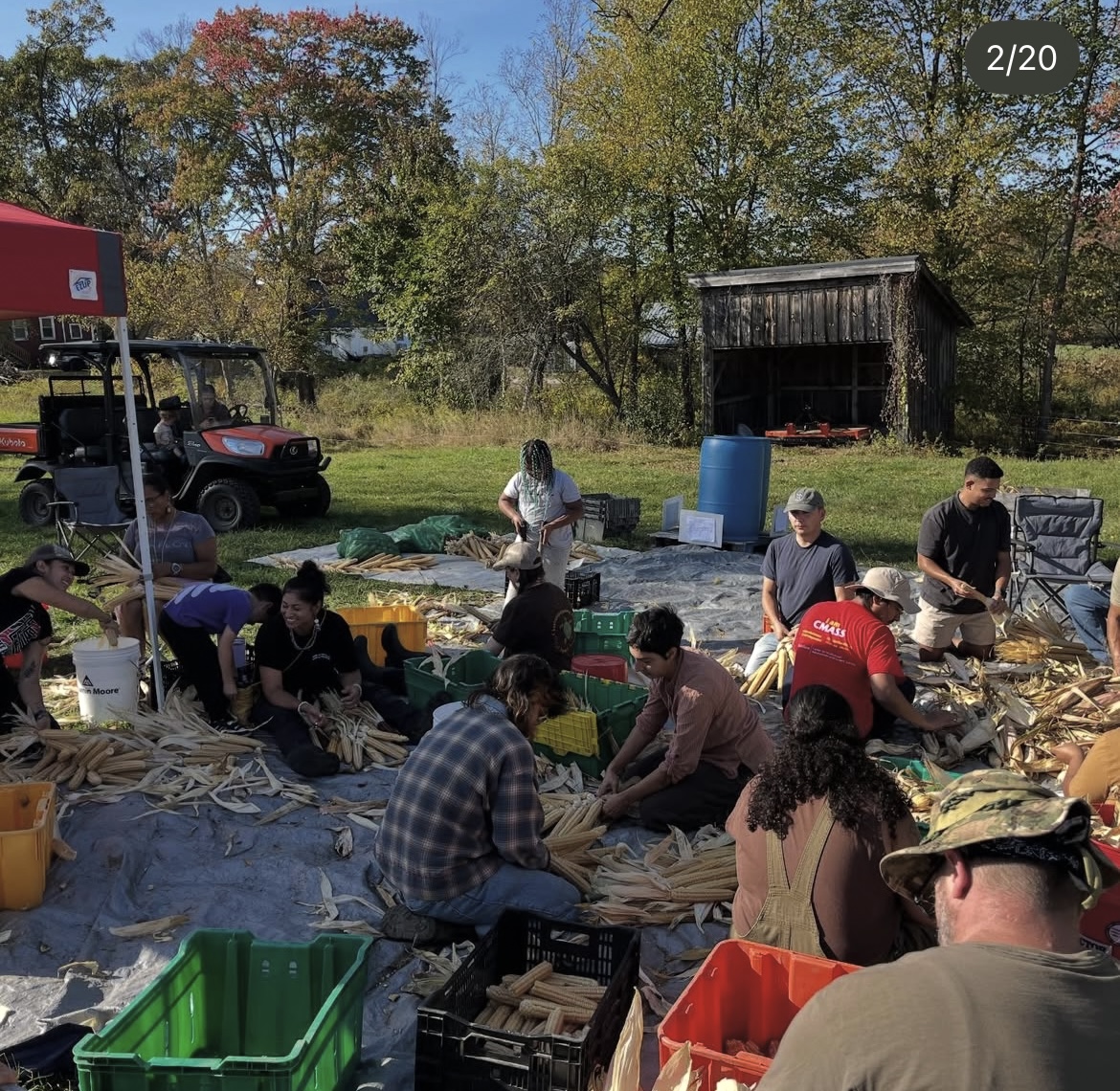
The farm also makes food available to Nipmuc families throughout the year: squash, pasture-raised meat, heirloom beans, cornmeal, and eggs from the Tribal Egg Share and Community Store.
No Loose Braids
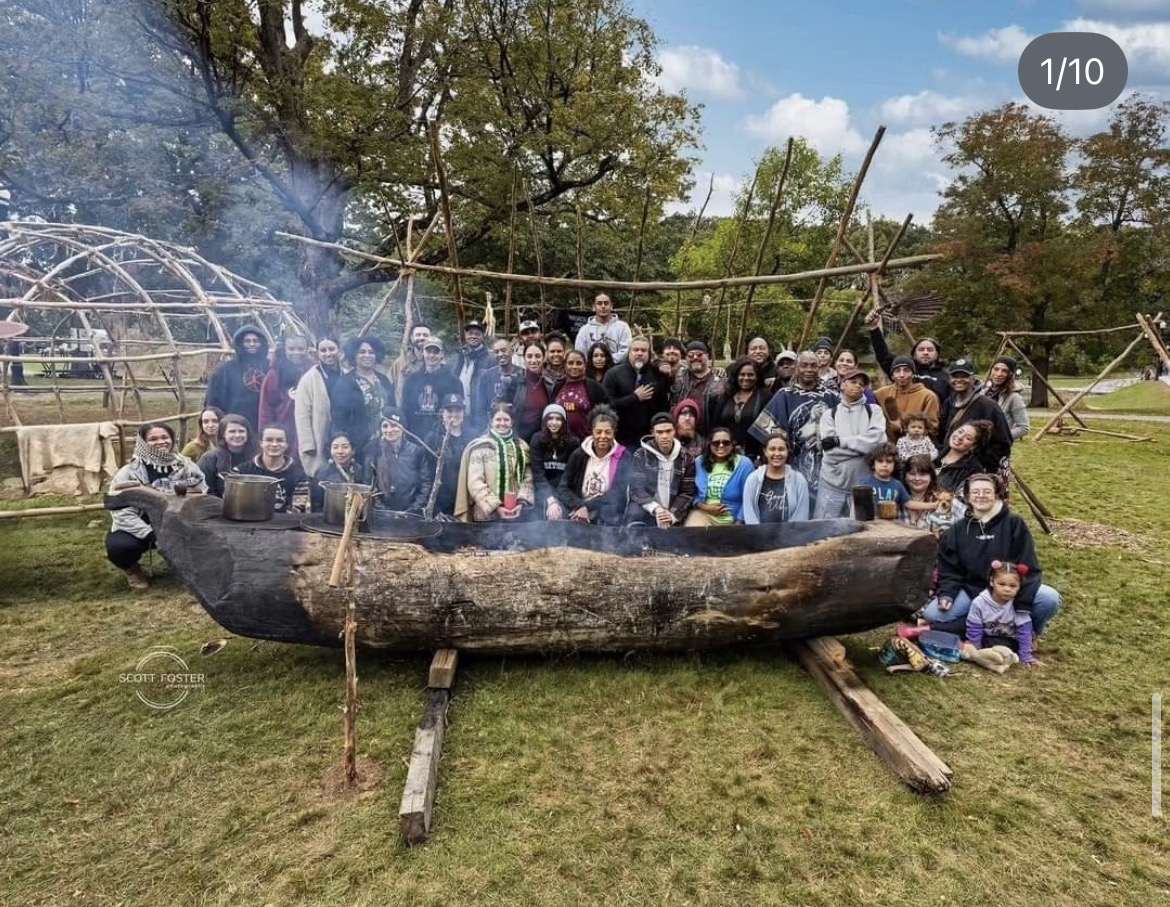
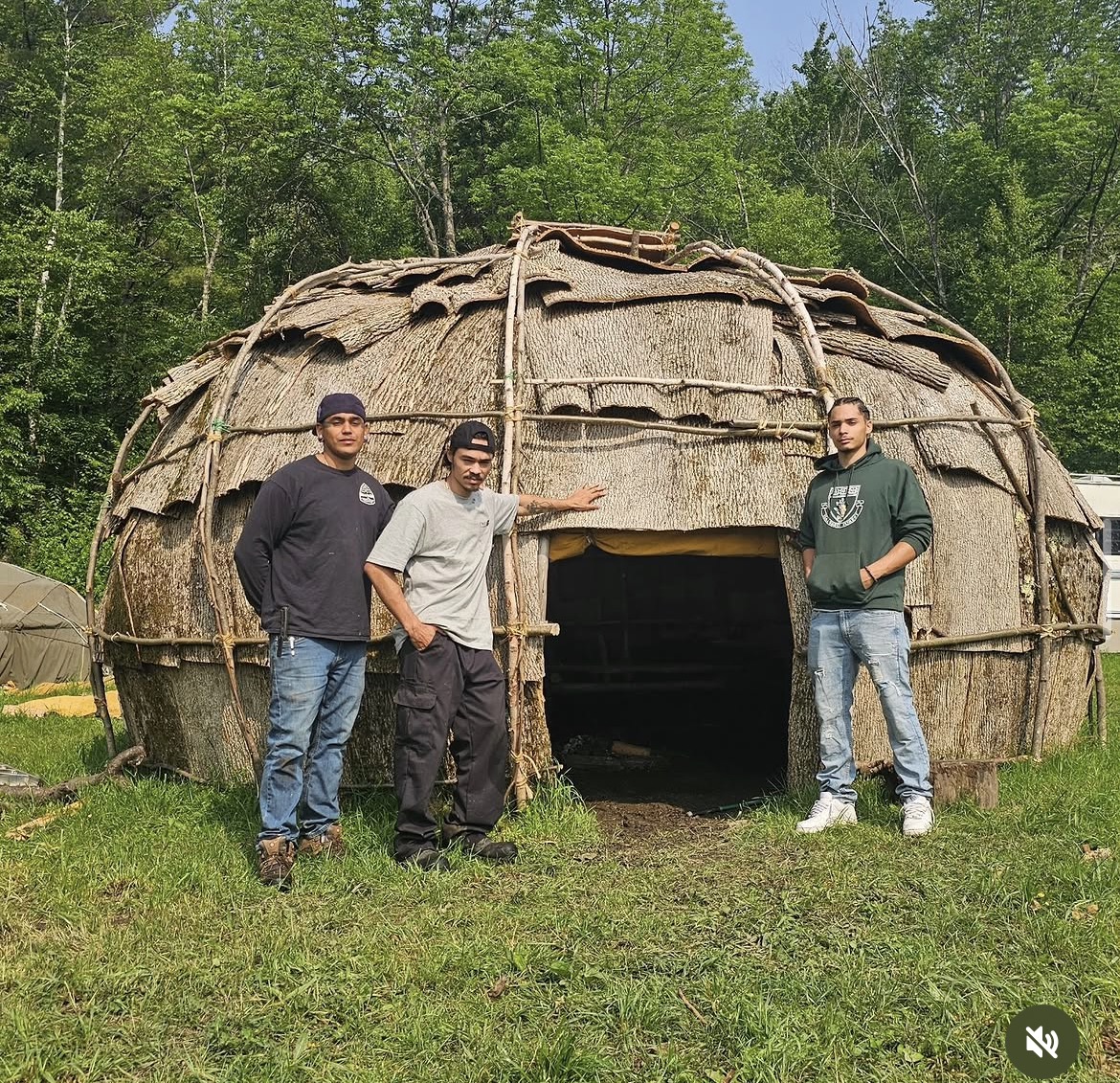
No Loose Braids is a Nipmuc-led nonprofit that hosts hands-on cultural workshops for the community, from hide tanning to traditional structure building, keeping ancestral skills alive and in practice.
Stewardship
Tribal Historic Preservation (THPO)
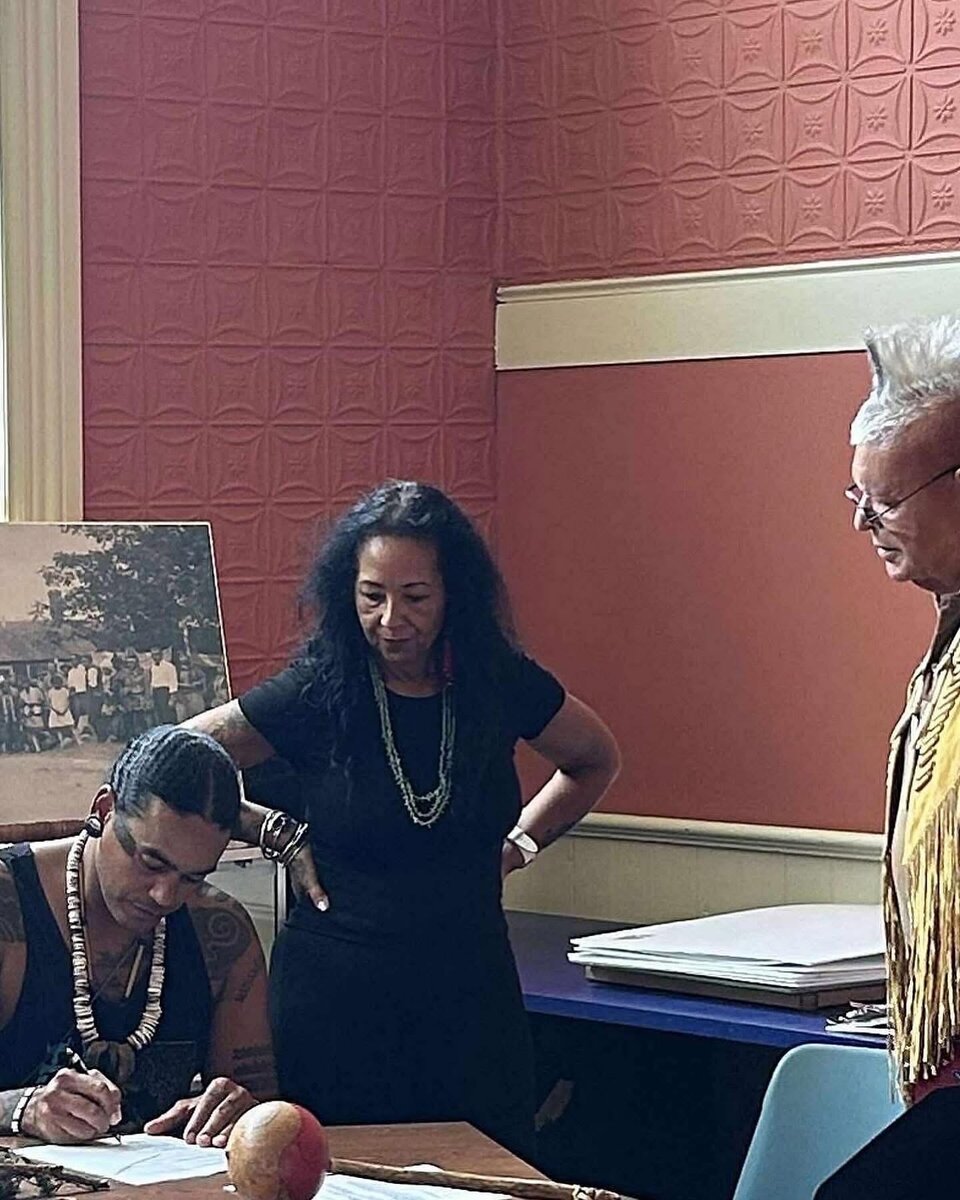
We work closely with our Tribal elders, consult with local museums, community partners, environmental justice groups, and local governmental entities to preserve our ancestors' knowledge and cultural resources.
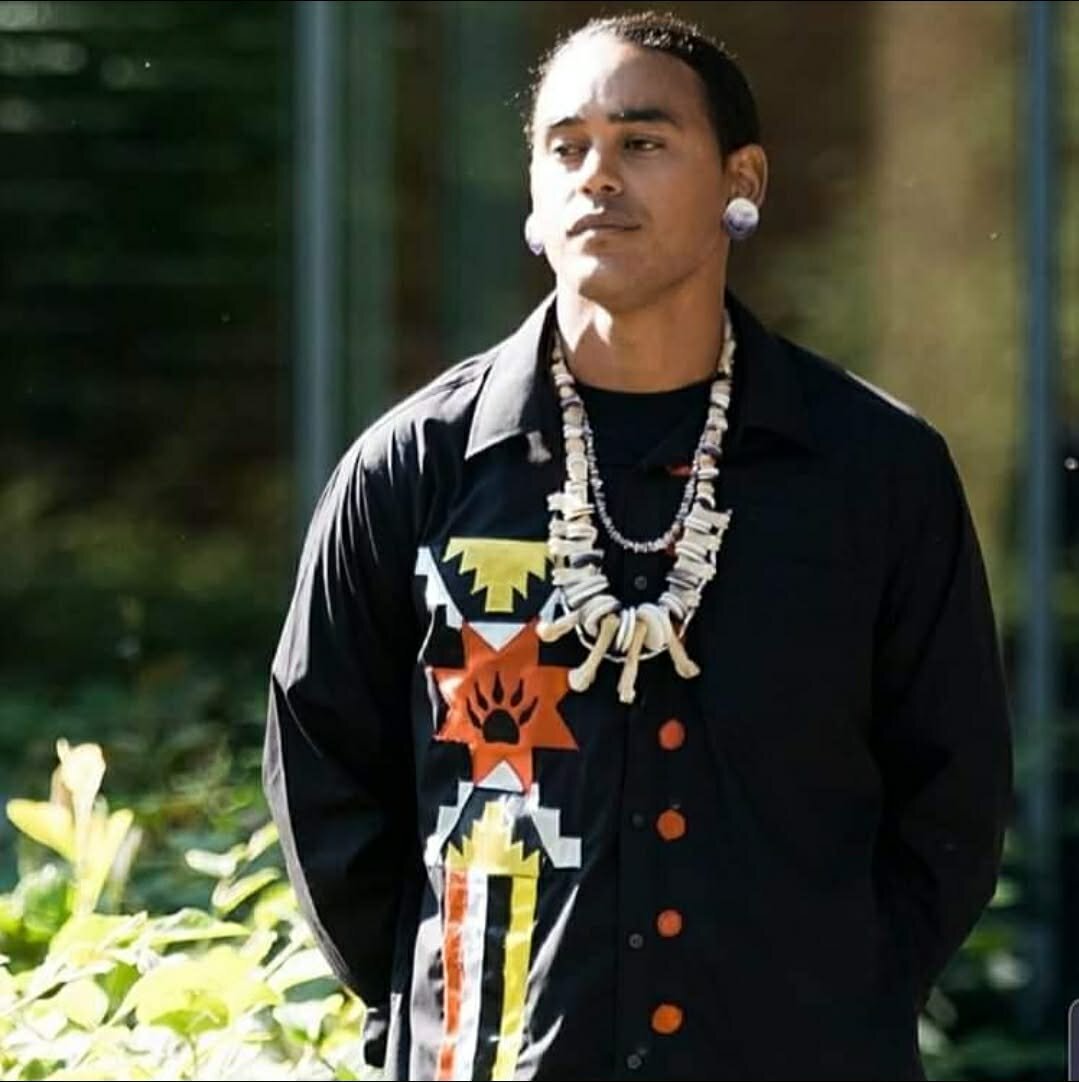
Andre is an enrolled citizen of the Nipmuc people, from the Hazard/Ransom/L.W. Henries line, and serves as a culture bearer for the Tribe and its Tribal Historic Preservation Officer.
Read full bio
Andre is a father, public speaker, traditional dancer, Indigenous activist for Indigenous rights, carpenter by trade, and educator. With 19 years in recovery, Andre is a recovery sponsor and integrated life coach for those in need. Andre's work focuses on sharing traditional teachings and cultural practices with his people, in community and with sister tribes.
Some of this work consists of teaching how to flesh and brain-tan hides to make items such as drums, water drums, buckskin, and blankets. This work is focused on cultural revitalization and preservation, and also includes building traditional homes (wetuash) and burning out dugout canoes (mishoonash).
Andre is a board member of the Nipmuc Community Land Project and the Native Land Conservancy, and actively works alongside various land trusts to create cultural inventory reports, working with state municipalities to make the LandBack movement visible.
Andre is also the founder and creative director of No Loose Braids (Instagram: @No_Loose_Braids). His work is grounded in restoring balance between everyday life and traditional values while navigating the colonial systems we live in. Cultural revitalization, family, and traditional values are the driving forces that keep Andre ever diligent on his daily journey.
Officer's Responsibilities
Preservation Coordination
- Overseeing all tribal historic preservation activities
- Ensuring cultural heritage protection
Regulatory Compliance
- Reviewing federal and state projects under Section 106 of the National Historic Preservation Act (NHPA)
- Providing expert commentary on potential cultural impacts
Record Management
- Maintaining comprehensive tribal historic property documentation
- Organizing and preserving critical cultural records
Community Engagement
- Collaborating with tribal departments
- Consulting with tribal elders and community members
- Representing tribal interests in preservation matters
Intergovernmental Communication
- Coordinating with State Historic Preservation Offices (SHPOs)
- Engaging with federal agencies and local municipalities
- Building partnerships to protect cultural heritage
- Works closely with Mashpee and Aquinnah Wampanoag Historical Preservation Offices